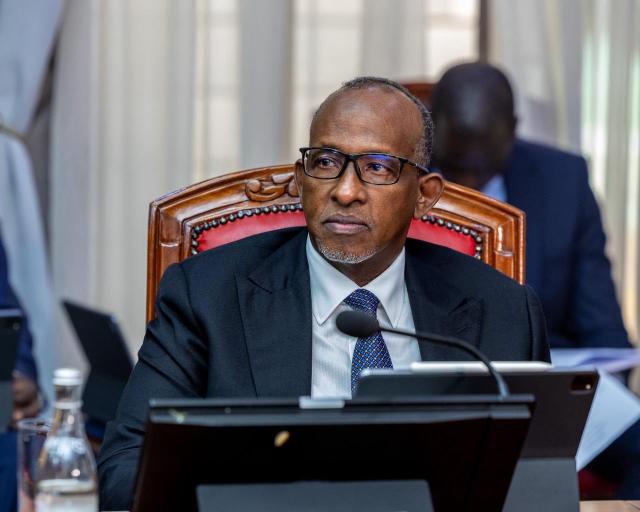
The Ministry of Health has taken decisive action to restrict foreign doctors in Kenya, revoking the practising licences of more than 200 practitioners.
The move aims to address the growing problem of unemployed Kenyan doctors, many of whom trained through government-funded programs but remain without work, while foreign doctors continue to fill positions, particularly in private facilities.
Health Cabinet Secretary Aden Duale confirmed the revocations, stressing that the government’s priority is to create employment opportunities for local medical professionals.
“Doctors from the East African Community (EAC) will not be affected. We will only allow a foreign doctor to practice in our country if that doctor has a speciality that is not available locally,” Duale said.
He pointed out that the government invests billions in medical education, internships, postgraduate training, and specialist programmes, yet many Kenyan graduates struggle to secure jobs.
“For many years, parents everywhere I go tell me, ‘Minister, my son or daughter has finished medical school and internship, but they have no job. Why should foreigners come to treat Kenyans when our own doctors are at home without jobs?’” Duale said.
Since the start of the January licence renewal period, Duale said he has personally denied more than 200 applications from foreign doctors. Some of these practitioners had previously been prohibited from practising in their home countries, which he said made Kenya a soft landing for discredited or unqualified medical personnel.
“Kenya was becoming a place where somebody would just walk in and open a clinic,” Duale added.
The Kenya Medical Practitioners and Dentists Union (KMPDU) has welcomed the move, arguing that foreign doctors have reduced job opportunities for Kenyan practitioners and lowered wages.
KMPDU data shows about 1,663 foreign doctors are registered in Kenya, though only around 546 are actively working.
“Over the past four years, more than 3,000 foreign general practitioners have been licensed to practice in Kenya. While KMPDU recognises the value of international cooperation and skills exchange, many of these practitioners are not recruited to address genuine skill gaps,” said KMPDU Secretary-General Davji Atellah.
Dr Atellah added that some foreign doctors accept salaries far below the rates recommended by the Salaries and Remuneration Commission or agreed in Collective Bargaining Agreements, sometimes earning as little as Sh50,000 monthly. This, he warned, undermines fair pay for Kenyan doctors, including locum practitioners.
The union also raised concerns over immigration compliance. “Some foreign doctors, though licensed, do not possess valid work permits but continue to practise in hospitals,” Dr Atellah said. “These cases have contributed to the scandals we have witnessed.”
The Health Ministry has further criticized some private hospitals for over-relying on foreign doctors, pointing out that some had been barred from practicing in their home countries. Hospitals have been urged to give preference to Kenyan medical professionals.
Both the Ministry of Health and KMPDU stated that strict enforcement measures are now in effect to ensure nationwide compliance.
The Kenya Medical Practitioners and Dentists Council (KMPDC) has backed the government’s decision. According to the regulator, Kenya has about 13,000 licensed doctors, with only 10,000 actively practising. Each year, medical schools graduate between 1,000 and 1,500 doctors, many of whom continue to face challenges finding work.































Comments
Sign in with Google to comment, reply, and like comments.
Continue with Google